In this article, we explore the essentials of undertaking roof repair projects on your own. Whether you’re addressing roof leaks, shingle replacement, or extending your roof’s lifespan, you’ll find practical insights here. For many homeowners, maintaining their roof can seem daunting, yet with the right guidance and tools, you can transform it into a manageable task. Tackling repairs yourself not only helps save money but also aids in understanding the structural integrity of your home.
Embarking on a DIY roof repair project is an empowering journey that can enhance both your skills and your property’s value.
1. What Tools and Materials Do You Need?
a. Essential Safety Gear
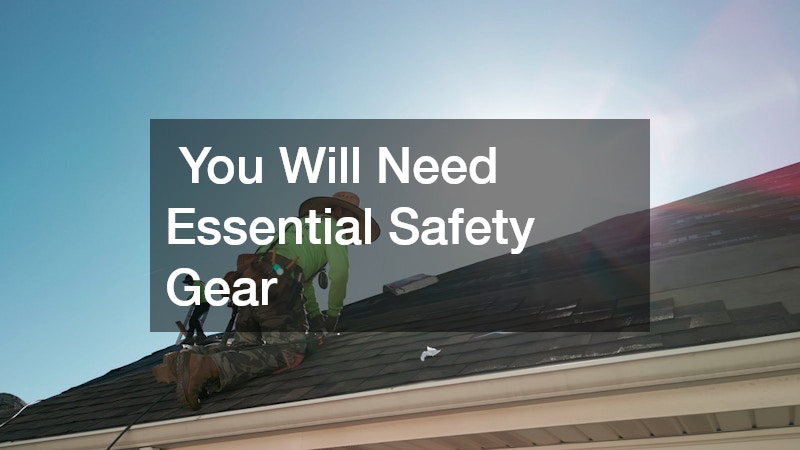
Safety should always be your top priority when undertaking any roof repair project. Essential safety gear includes a sturdy set of gloves, a reliable harness, and a hard hat. Additionally, non-slip shoes are crucial to avoid any accidents on sloped surfaces. Ladder stabilizers can prevent unnecessary falls when accessing high areas of your house. Investing in proper safety gear not only protects you but also ensures a smooth repair process.
b. Must-Have Repair Tools
Your toolbox should be well-equipped with essential items such as a hammer, utility knife, and roofing nails. A roofing nailer can significantly speed up the process, especially when dealing with extensive shingle replacements. Don’t forget a good quality roofing shovel to help in removing old or damaged shingles effectively. Tape measures and chalk lines are indispensable for precise measurements and alignments. Having an electric drill with various bits can facilitate tasks that require secured fastenings.
c. Types of Roofing Materials
Understanding the variety of materials available is critical to making informed decisions. Asphalt shingles are the most popular due to their affordability and ease of installation. Metal roofing is known for its durability and is often chosen for both its aesthetic appeal and longevity. Slate and tile offer a classic look but require a sturdier support structure. Always choose materials that fit your specific weather conditions and aesthetic preferences.
d. Proper Use of Tools and Equipment
Correctly using your tools is crucial to achieving a well-done repair. Each tool has specific guidelines that maintain its effectiveness and safety, so familiarize yourself with these instructions. For instance, when using a nail gun, ensure that the nails are driven perpendicular to the shingle to prevent any potential lifting issues. Practice using hand tools like hammers and knives safely, minimizing the risk of injury. Regular maintenance of your tools can also prolong their lifespan and functionality.
e. Cost-Effective Tool Purchase Tips
Acquiring tools doesn’t have to break the bank, especially if you know where to look. Local hardware stores often have seasonal sales that can help save money without compromising on quality. Consider purchasing refurbished tools that are in good working condition from reputable sellers. Renting some of the more expensive equipment may be a viable option for projects you don’t frequently undertake. Finally, maintaining a network of DIY enthusiasts can offer opportunities for borrowing seldom-used items.
2. How to Assess Your Roof’s Condition?
a. Visual Inspection Techniques
A thorough visual inspection is the first step in diagnosing your roof’s health. Observing the roof from the ground can provide an initial assessment, particularly for loose or missing shingles. Use binoculars to enhance your view and spot inconsistencies or damage more accurately. Pay attention to granule loss, which is often an indicator of aging shingles. Checking gutters for debris can also reveal material shedding from your roof, which signals the need for closer examination.
b. Identifying Common Roof Issues
Common roof issues include leaks, cracked shingles, and ice dam formations. Leaks often occur around chimneys, vents, and skylights where flashing may have deteriorated. Cracked or curling shingles usually result from weather exposure or age, indicating it might be time for replacement. Ice dams can cause significant damage during colder months, necessitating insulation improvements. Recognizing these problems early can prevent costly repairs down the line.
c. Utilization of Technology for Inspections
Technology can play a pivotal role in enhancing your inspection capabilities. Drones equipped with high-resolution cameras provide an aerial view, offering a much safer alternative for preliminary assessments. Various apps are available to track weather conditions that might affect inspection schedules. Thermal imaging devices can help identify hidden leaks and insulation weaknesses efficiently. Incorporating technology into your inspection routine fosters a thorough evaluation with minimal physical strain.
d. Determining Repair vs. Replacement
Determining whether to repair or replace your roof requires weighing the condition against cost and longevity. Minor damages can often be resolved with simple repairs, extending the roof’s life without significant investment. However, widespread issues or repeated problems might suggest it’s time for a replacement. Evaluating the age of your roof helps in deciding; a roof nearing the end of its life expectancy is better replaced. Professional assessments can provide additional insights if you’re uncertain.
e. When to Consult a Professional
While DIY projects can be rewarding, some situations necessitate expert intervention. Extensive water damage, structural impairments, or hazardous materials like asbestos should be handled by professionals. If after multiple inspections problems persist, a skilled opinion can prevent further complications. Consulting with roofing experts can provide peace of mind and ensure safety and adherence to local building codes. Balancing your capabilities with professional advice maximizes efficiency and effectiveness.
3. What Are the Steps to Fix a Roof Leak?
a. Locating the Source of the Leak
Identifying the source of a roof leak requires a methodical examination of both the interior and exterior. Inside, search for dampness, discoloration, or mildew, often present along ceilings and walls. Trace these signs to their highest point to locate the general area of entry. Exterior inspections should focus on areas susceptible to damage, such as valleys or around chimneys. Water travels unpredictably, so understanding its behavior is key in pinpointing leaks.
b. Preparing the Area for Repair
Once the leak source is identified, clear the immediate area by removing debris and excess moisture. Use a clean cloth to pat dry any surfaces and allow time to air dry fully. Next, apply a layer of roof sealant around the affected zone, ensuring full coverage of crack lines or holes. Preparation includes cutting appropriate patches or shingle replacements if necessary. Secure a clear workspace to facilitate a seamless repair process.
c. Patching and Sealing Techniques
Effective patching involves accurate measurements and cutting of repair material to ensure fitting. Thereafter, apply roofing cement beneath the patch, pressing it firmly against the damaged area. Use additional sealer along the edges to prevent moisture from seeping in. Sealing techniques vary based on roof types, and some may require heat application tools for optimal bonding. Consistency and precision in layering the patch contribute to long-lasting repair.
d. Testing the Repair Effectiveness
After repair completion, it’s essential to perform leak tests to verify effectiveness. This can be done by directing water onto the repaired section using a hose, mimicking rain conditions. Observe the interior for any recurring leaks or moisture buildup during this test. An absence of new signs usually indicates a successful repair. Running periodic checks following adverse weather can corroborate the integrity of your work.
e. Preventing Future Leaks
Consistent maintenance minimizes the likelihood of future leaks. Routine cleaning of gutters prevents blockage-induced overflows that can weaken roof structures. Keeping trees trimmed back reduces debris accumulation which potentially causes moisture retention. Consider installing drip edges and flashing enhancements for added protection during harsh weather. Preventive actions not only safeguard your roof but also enhance the comfort and security of your home.
4. How to Replace Damaged Shingles?
a. Removal of Old Shingles
Begin shingle replacement by cautiously prying up damaged shingles and underlying nails. It’s vital to remove any adhesive with a scraper to allow a clean surface for the new shingle. Careful preservation of the adjacent shingles assures no further accidental tears occur. Placing tarps below areas under repair helps catch debris and nails effectively. Adhering to meticulous removal techniques maintains your roof’s structural integrity.
b. Preparing the Roof Surface
Preparing the exposed area involves cleaning and smoothing the roof deck. Brush off any loose debris or dust to ensure new shingles adhere properly. Assess the condition of the underlayment for rips or wear, replacing if necessary to enhance overall waterproofing. Mark guidelines with chalk to align new installations accurately. Proper preparation is fundamental for a secure and aesthetically pleasing outcome.
c. Installing New Shingles
Position the new shingle in place, ensuring consistent alignment with existing rows. Begin nailing at the designated points, progressing from bottom to top to evenly distribute pressure. For additional stability, consider using adhesive beneath the shingles, especially in high-wind areas. Overlapping each shingle correctly reinforces the entire system, preventing future water ingress. Verification of nail placement and tightness is key to enduring and energy-efficient roof coverage.
d. Ensuring Proper Alignment and Overlap
Aligning shingles accurately involves using straight edges and time-tested methods. A straight chalk line guides precise shingle positioning, preventing tilts that could impact drainage. Proper overlap incorporates successive shingle rows covering the nail lines of previous installments, sealing seams against moisture. Levels can confirm even and corrected rows that meet aesthetic and functional standards. Mastery of this process is crucial for both novice and seasoned DIY-ers keen on quality output.
e. Post-Replacement Checklist
Following replacement, methodically inspect the entire area for consistency and completion. Verify that all tools and materials are removed from the rooftop for safety and avoid leaving nails or fragments that could cause injury. Ensure new shingles lie flat and that there are no visible gaps which could lead to leaks. Document your work for future reference and warranty paperwork if components involve manufacturer policies. A comprehensive post-replacement checklist fortifies your labor efforts with assurance.
5. How to Extend Your Roof’s Lifespan?
a. Regular Maintenance Tasks
Regular maintenance is pivotal in extending the roof’s utility and aesthetic appeal. Inspecting for damaged shingles should be performed bi-annually or following adverse weather conditions. Clearing gutters and roof valleys from debris enhances drainage systems, preventing water stagnation. Applying appropriate roofing treatments based on material type can refresh appearance and improve condition. Scheduling these tasks systematically assures ongoing protection against environmental factors.
b. Seasonal and Weather Considerations
Adapting to seasonal changes by pre-empting potential pitfalls preserves roof integrity. Autumn leaf fall often leads to gutter blockages, thus necessitating stringent cleaning measures. Winter preparations include inspecting for and insulating areas prone to ice dams, which can cause significant damage. Spring inspections focus on repairing any winter weather wear, while summer is optimal for UV-resistant coatings. Your awareness and proactive solutions can significantly mitigate seasonal impacts on your roofing.
c. Effective Drainage Solutions
Implementing robust drainage solutions enhances longevity by mitigating moisture-related issues. Installing gutter guards minimizes blockages and facilitates efficient rainwater redirection. Extending downspouts ensures water is guided well away from your home’s foundation, avoiding potential structural problems. Regularly evaluating the slope and position of gutters ensures optimal water flow. Strategic drainage support sustains roof and property health over time.
d. Roof Coating and Protection Options
Roof coatings can serve as an added protective layer, extending the durability and resilience of your roof. Reflective coatings minimize solar heat absorption, improving home efficiency and reducing thermal expansion. Elastomeric options can fill cracks, providing elasticity that moves with temperature changes. Ensure chosen products are compatible with existing roof materials to prevent adverse reactions. Such preventative treatments are a cost-effective investment that enhances longevity.
e. Energy Efficiency and Insulation
Improving your roof’s energy efficiency entails enhancing insulation levels and adopting energy-saving practices. Modern insulation techniques involve reflective barriers that prevent unnecessary heat loss in colder months. Solar panels can further reduce energy costs while offering utility savings. Proper insulation reduces strain on HVAC systems, while a well-maintained roof minimizes outgoing heat exchange. Proactively optimizing energy efficiency results in increased comfort and reduced utility expenses.
By adhering to these guidelines and ensuring thorough preparation at each step, you can effectively manage DIY roof repairs, enhancing the durability and longevity of your home’s roof while saving costs. Knowledge, combined with the right tools and precautions, empowers homeowners in maintaining their property efficiently. Personal involvement in your roof’s upkeep enhances its lifespan and adds to your home improvement skill set. While professional help is advisable for complex issues, many tasks can be addressed independently with confidence. Your commitment to regularly upkeeping your roof promises a safer, more reliable home environment.