Your home is more than just a place to live—it’s an investment in your comfort, safety, and long-term financial well-being. Regular upkeep and timely repairs are essential for maintaining both the safety and the modern appeal of your property. Small, proactive repairs can prevent larger, more expensive problems from developing, improve energy efficiency, and enhance the overall aesthetic of your home. In this guide, you’ll find actionable tips across different areas of your home—from outdoor spaces to indoor systems—so you can keep your property secure, functional, and stylish.
Upgrade Your Outdoor Spaces for Safety and Appeal

A well-maintained yard not only adds to your home’s curb appeal but also ensures the safety of your family and visitors. Outdoor areas that are poorly maintained can lead to accidents, water damage, and even structural issues over time. Uneven surfaces, overgrown vegetation, and improper drainage are common hazards that often go unnoticed until they result in injuries or costly repairs. By proactively addressing these areas, you can protect your property and create an inviting environment that feels both modern and well-cared-for. Here are some practical tips:
Choose safe landscape material:
- Opt for non-slip surfaces for walkways and patios to reduce the risk of falls, especially in wet conditions.
- Use durable materials like stone, gravel, or rubber mulch in high-traffic areas to minimize wear and prevent uneven surfaces.
- Ensure proper drainage with materials that don’t compact easily or trap water, reducing the risk of erosion or standing puddles.
- Consider layering materials strategically—for example, combining pavers with gravel borders—to improve stability while adding visual appeal.
Get appropriate plants from a local nursery:
- Native plants are easier to maintain and typically require less water, fertilizer, and attention.
- Avoid species with invasive roots that could damage foundations, driveways, or underground utility lines.
- Consider low-maintenance shrubs and trees that won’t obstruct pathways, create tripping hazards, or require constant pruning.
- Include plants with seasonal interest, like flowering perennials or evergreens, to create a visually appealing yard year-round while minimizing high-maintenance needs.
Maintain clear pathways and lighting:
- Install LED path lights for evening safety, ensuring walkways are well-lit and easy to navigate.
- Trim overhanging branches, dense bushes, or hedges that could impede movement or reduce visibility.
- Create level walkways with defined edges to guide foot traffic safely and reduce accidental slips.
- Add small markers or reflective strips along paths to enhance safety during low-light conditions.
By investing in quality landscape material, buying plants thoughtfully, and maintaining clear, well-lit pathways, you not only enhance your home’s appearance but also create a safe, functional, and welcoming outdoor space for family and visitors alike. A yard that balances beauty with practicality is an investment that protects both your property and the people who enjoy it.
Refresh Your Walls and Surfaces
Repainting your home is an easy way to prevent damage while keeping your interior and exterior looking modern and well-maintained. Over time, walls, doors, and trim can show signs of wear such as peeling paint, fading, stains, or even mold growth. If left unaddressed, these issues can lead to more serious problems, including structural damage, wood rot, and costly repairs. A timely repaint not only enhances the visual appeal of your home but also serves as a protective barrier against moisture, sunlight, and everyday wear. Here’s how to make the most of your painting project:
Identify areas that need attention:
- Check for peeling paint on exterior walls, window frames, doors, and trim. Areas exposed to harsh weather are often the first to show deterioration.
- Look for water stains, mold, or mildew in bathrooms, kitchens, basements, or around leaky windows and plumbing. These are signs of moisture problems that should be addressed before painting.
- Inspect areas exposed to direct sunlight for fading or discoloration. UV rays can break down paint over time, making surfaces more vulnerable to cracking or blistering.
- Examine high-traffic interior areas, like hallways and staircases, which may show scuffs or scratches that compromise the finish.
DIY vs. professional painting contractors:
- For small touch-ups or accent walls, DIY painting can be effective with proper surface prep, quality brushes, rollers, and paint.
- For full exterior repainting, large interior projects, or surfaces with prior damage, hiring painting contractors ensures even coverage, proper primer application, and long-lasting results.
- Professional contractors can also offer additional services such as removing old lead-based paint, repairing minor wall damage, and providing eco-friendly paint options that are safe for your family.
- Ask contractors about warranties, recommended maintenance schedules, and their surface preparation techniques to ensure the best outcome.
Prep and maintenance tips:
- Clean surfaces thoroughly before painting to remove dirt, dust, mildew, or loose paint. This allows the new paint to adhere properly and prevents bubbling or peeling.
- Apply primer on new or repaired surfaces for better adhesion and improved longevity, particularly on areas with stains or exposed wood.
- Inspect painted areas annually for small chips, cracks, or fading, and perform touch-ups promptly to avoid larger repairs later.
- Consider repainting at times of moderate weather to allow paint to dry evenly and prevent streaks or blistering caused by extreme heat or moisture.
A fresh coat of paint doesn’t just improve aesthetics—it acts as a protective barrier against moisture, mold, and UV damage. By maintaining your home’s surfaces with regular painting and proper preparation, you ensure that both interiors and exteriors remain safe, visually appealing, and modern for years to come.
Ensure Your Home Stays Warm and Efficient
Your heating system is a critical component for safety, comfort, and energy efficiency. Neglecting maintenance can lead to costly repairs, unsafe conditions, and higher utility bills. Regular upkeep also helps prevent carbon monoxide leaks and other hazards that can pose serious health risks. By addressing minor issues early, you avoid sudden system failures during extreme weather, ensuring consistent comfort year-round. Here’s how to keep your system in top shape:
Regular inspections:
- Check for strange noises, uneven heating, or rising energy bills.
- Look for signs of leaks in gas lines or boiler systems.
DIY maintenance tips:
- Replace or clean filters monthly to improve efficiency.
- Keep vents clear and unobstructed.
- Test thermostats to ensure accurate temperature readings.
When to call heating contractors:
- Annual professional inspections can catch minor issues before they become dangerous.
- Professionals can safely handle repairs involving gas, electric, or complex HVAC components.
- Schedule timely tune-ups to extend the lifespan of your system and prevent unexpected breakdowns.
By staying proactive, you can improve energy efficiency, reduce utility costs, and maintain a safe home environment. Regular maintenance also ensures that your system operates at peak performance, providing reliable warmth and comfort for your household.
Inspect and Maintain Your Roof for Longevity

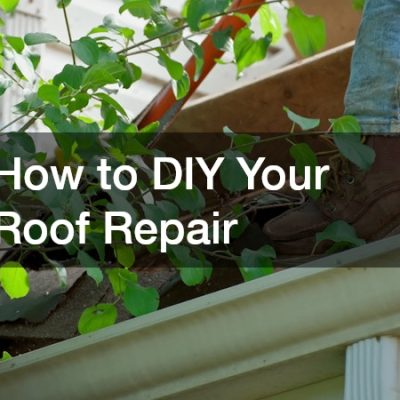
The roof is one of the most important protective elements of your home. Small issues, if left unaddressed, can lead to leaks, structural damage, and expensive repairs. Here’s how to keep your roof in excellent condition:
- Regular inspections:
- Look for missing, cracked, or curling shingles.
- Check for water stains or mold in the attic.
- Inspect flashing around chimneys and vents for leaks.
- DIY preventive measures:
- Remove debris from gutters to prevent water buildup.
- Trim overhanging tree branches to avoid damage during storms.
- Apply sealants around minor cracks to prevent leaks.
- Hiring roofing companies:
- Choose certified and insured professionals for complex repairs or full roof replacements.
- Ask about warranties, inspection services, and seasonal maintenance plans.
Routine inspections and timely minor repairs can dramatically extend the life of your roof and prevent costly emergencies.
Secure Your Yard and Property Boundaries
Fences provide safety, privacy, and a clear boundary for your property. Neglecting repairs or using low-quality materials can compromise both security and aesthetics. Here’s how to maintain safe and attractive fencing:
- Inspect fences regularly:
- Look for loose posts, rusted hinges, or broken boards.
- Check that gates open and close properly.
- Ensure that fences don’t have gaps that compromise security.
- DIY fixes and preventive maintenance:
- Tighten loose screws and replace damaged boards.
- Treat wood fences with sealant to prevent rot.
- Apply paint or stain for protection against weathering.
- Working with a fencing contractor:
- For large-scale repairs or new installations, professionals ensure stability and compliance with local codes.
- Discuss options for modern fencing materials that combine durability and aesthetics, like composite panels or powder-coated metal.
A secure and well-maintained fence improves safety for children and pets while enhancing your property’s curb appeal.
Keep Gutters Clear to Prevent Water Damage
Clogged gutters can cause water to pool around your home, leading to foundation damage, roof leaks, and landscaping erosion. Here’s how to keep your gutter system functioning effectively:
- DIY maintenance:
- Remove leaves, twigs, and debris regularly.
- Check downspouts for proper drainage.
- Inspect gutter seams and joints for leaks or separation.
- Professional assistance from a gutter cleaning company:
- Ideal for two-story homes or hard-to-reach areas.
- Can identify hidden damage or blockages that DIY cleaning might miss.
- Professionals may install gutter guards or recommend improvements to prevent future clogs.
- Additional tips:
- Inspect gutters after heavy storms for damage.
- Ensure gutters slope properly to direct water away from foundations.
Regular cleaning and inspection of gutters prevent water damage, foundation issues, and costly repairs.
Plan for Safe Home Additions or Remodeling
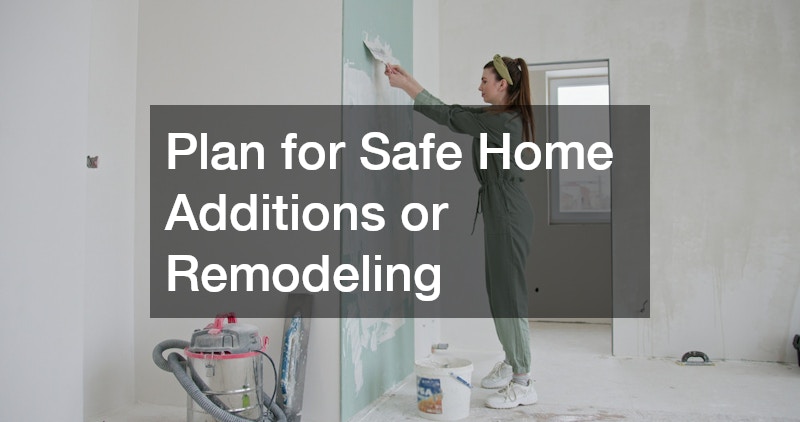
Home renovations and additions can improve your living space but must be done carefully to ensure safety and compliance with building codes. Here’s how to manage remodeling projects safely:
- Identify priority upgrades:
- Install handrails or ramps for safety.
- Improve lighting in hallways, staircases, and outdoor areas.
- Update old wiring or plumbing during renovations.
- DIY vs. professional help:
- Small cosmetic updates can be done safely with proper research and tools.
- Hire a home builder company for structural changes, additions, or code compliance issues.
- Planning and budgeting:
- Set a realistic timeline and budget.
- Choose materials that are durable, low-maintenance, and energy-efficient.
- Consider future resale value when making design choices.
Proper planning and professional involvement ensure that remodeling improves your home’s safety and modern appeal without unexpected problems.
Maintain Outdoor Systems for Efficiency and Safety
Your septic system is crucial for both safety and environmental protection. Neglecting maintenance can lead to costly repairs and health hazards. Here’s how to keep it functioning properly:
- Signs your system needs attention:
- Slow drains or backups.
- Unpleasant odors around the tank or drain field.
- Pooled water in areas near the septic system.
- Preventive maintenance:
- Avoid flushing harsh chemicals, grease, or non-biodegradable items.
- Monitor water usage to reduce strain on the system.
- Schedule regular inspections with a local septic pumping service to remove solids and prevent clogs.
- Emergency planning:
- Know the location of your septic tank and drain field.
- Keep a maintenance record to track pumping and repairs.
Proper septic maintenance ensures your home remains hygienic, efficient, and free from costly environmental hazards.
Protect Trees and Landscaping from Damage
Trees enhance beauty and provide shade but can pose risks if not maintained. Unsafe trees may fall, damage structures, or interfere with utility lines. Here’s how to protect your property:
- Regular tree inspections:
- Look for dead branches, leaning trunks, or hollow spots.
- Monitor for disease or pest infestations.
- Preventive care:
- Prune branches to prevent them from interfering with the roof or power lines.
- Apply mulch and water properly to promote root health.
- Professional tree removals:
- Hire certified professionals for dangerous or large tree removals.
- Obtain permits if required and plan removal to minimize property damage.
Proper tree care improves safety, protects landscaping, and enhances your home’s overall aesthetic.
Enhance Outdoor Aesthetics with Functional Upgrades

Simple outdoor upgrades can improve both appearance and safety, blending modern style with practicality:
- Upgrade outdoor surfaces:
- Repaint decks, fences, and garden structures to prevent rot and extend lifespan.
- Use weather-resistant paint applied by painting contractors for lasting protection.
- Functional landscaping improvements:
- Add recycled or durable landscape material to prevent erosion.
- Create raised beds, retaining walls, or pathways for both beauty and safety.
- Seasonal maintenance tips:
- Inspect painted surfaces annually and touch up as needed.
- Remove debris and check drainage to protect outdoor surfaces.
These small updates provide a polished look while keeping your outdoor areas safe and functional.
Maintaining your home through simple repairs protects your investment, enhances comfort, and keeps your property looking modern. Regular inspections, preventive maintenance, and timely professional assistance prevent costly problems and ensure safety for your family. By following these actionable tips across indoor and outdoor systems, you can enjoy a home that is secure, efficient, and aesthetically pleasing for years to come.